Categories
Uncategorized

Allahu Akbar Allahu Akbar La Ilaha Illallah – The Complete Guide to Eid Al-Adha Takbeer

Eid Al-Adha is one of the most blessed occasions in the Islamic calendar. As the day of Eid approaches, the air fills with a powerful declaration of faith — the Takbeer of Eid Al-Adha. Streets, mosques, and homes echo with the words:

اللهُ أَكْبَرُ اللهُ أَكْبَرُ لَا إِلَهَ إِلَّا اللهُ وَاللهُ أَكْبَرُ اللهُ أَكْبَرُ وَلِلَّهِ الْحَمْد

These words are not just a ritual — they are a living declaration of the greatness of Allah and a reminder of the spirit of sacrifice, devotion, and gratitude that defines Eid Al-Adha. Whether you are hearing this Takbeer for the first time or have been reciting it for decades, its power never fades.

At Quran Institute Online Canada, we believe that every Muslim deserves to recite these sacred words with full understanding and correct pronunciation. Whether you want to learn Quran online at your own pace or join structured online Quran classes with a certified teacher, building a strong foundation in Arabic recitation transforms the way you experience Eid, Salah, and every moment of worship in between.

In this comprehensive guide, we will walk you through the full Takbeer text in Arabic with transliteration, its deep meaning, the correct times to recite it, and how to pass this beautiful tradition on to your family and children. We will also share how you can strengthen your connection to the Quran through structured learning with expert online Quran teachers.

What Is the Eid Al-Adha Takbeer? | Learn Quran Online with Deeper Understanding

The word Takbeer (تَكْبِير) is derived from the Arabic root kabura (كَبُرَ), which means “to be great” or “to declare greatness.” The Takbeer of Eid is a specific set of phrases Muslims recite aloud to glorify, magnify, and praise Allah ﷻ during the blessed days of Eid Al-Adha and the Days of Tashreeq.

Reciting the Takbeer is a confirmed Sunnah strongly encouraged by the Prophet Muhammad ﷺ and faithfully upheld by his Companions (Sahabah). It is far more than a tradition — it is a collective act of worship that unites the entire Muslim Ummah across every country, culture, and language in a single, unified voice of devotion. From the mountains of Bosnia to the streets of Toronto, the same words ring out with the same meaning and the same love for Allah ﷻ.

When you choose to learn Quran online, you do not only gain the ability to recite its verses — you unlock the language of the Takbeer, the Salah, and the du’a that form the backbone of your daily spiritual life. Understanding Arabic from its roots transforms every act of worship into something deeply personal and profoundly meaningful. Many Muslims who begin their Quran journey report that even the Takbeer of Eid takes on an entirely new emotional depth once they truly understand what each word means.

The Full Eid Al-Adha Takbeer in Arabic | Read Quran Online to Perfect Your Pronunciation

One of the most important aspects of reciting the Takbeer correctly is proper Arabic pronunciation — the same standard required when you read Quran online with Tajweed. Every letter carries weight, and reciting it clearly is an act of respect for the words of remembrance (dhikr) that Allah ﷻ loves. Mispronunciation of key letters can change the meaning of words entirely, which is why guided learning matters so much.

Arabic Text

اللهُ أَكْبَرُ، اللهُ أَكْبَرُ، لَا إِلَهَ إِلَّا اللهُ وَاللهُ أَكْبَرُ، اللهُ أَكْبَرُ، وَلِلَّهِ الْحَمْد

Transliteration

Allahu Akbar, Allahu Akbar, La Ilaha Illallah Wallahu Akbar, Allahu Akbar, Wa Lillahil Hamd

English Translation

“Allah is the Greatest, Allah is the Greatest, there is no god worthy of worship except Allah. And Allah is the Greatest, Allah is the Greatest, and to Allah belongs all praise.”

Pay special attention to the pronunciation of the letter ع (Ayn) in Allahu Akbar and the ل (Lam) in Lillahil Hamd — these are points where learners often need guided correction. The best way to master such pronunciation is to read Quran online under the supervision of a qualified teacher who can correct your Makharij (points of articulation) in real time. Online Quran classes make this possible from the comfort of your own home, eliminating the barrier of distance or busy schedules.

The Extended Tashreeq Takbeer | Online Quran Classes to Build Your Recitation Skills

Some scholars and classical traditions include a longer version of the Takbeer, particularly during the Days of Tashreeq — the 11th, 12th, and 13th of Dhul Hijjah. This extended form adds an extra repetition of Allahu Akbar in each line, giving the recitation an even greater sense of rhythm, grandeur, and spiritual momentum. Both forms have been authentically narrated from the Companions of the Prophet ﷺ.

Arabic Text

اللهُ أَكْبَرُ، اللهُ أَكْبَرُ، اللهُ أَكْبَرُ، لَا إِلَهَ إِلَّا اللهُ وَاللهُ أَكْبَرُ، اللهُ أَكْبَرُ، اللهُ أَكْبَرُ، وَلِلَّهِ الْحَمْد

Transliteration

Allahu Akbar, Allahu Akbar, Allahu Akbar, La Ilaha Illallah Wallahu Akbar, Allahu Akbar, Wallahu Akbar, Wa Lillahil Hamd

Scholars such as Ibn Mas’ud, Ibn Abbas, and Ibn Umar (may Allah be pleased with them all) were reported to recite the Takbeer aloud in the markets during Eid to remind others to do the same. This practice of public Takbeer was so consistent that it became a defining feature of these blessed days. You may choose either the short or extended version and recite it with sincerity, full awareness, and presence of heart.

Structured online Quran classes with experienced teachers are one of the most effective ways to build the recitation skills needed to perform both versions of the Takbeer beautifully. A well-designed curriculum takes you from recognizing Arabic letters to reciting complex phrases fluently — one confident step at a time.

The Meaning of Each Phrase in the Takbeer | Guided by Expert Online Quran Teachers

One of the greatest gifts you can give yourself as a Muslim is to understand what you say in worship. Many Muslims recite the Takbeer, the Salah, and the Quran by sound alone — but when you know the meaning of each word, your heart engages on an entirely different level. This is exactly what expert online Quran teachers at a trusted institute help you achieve: not just pronunciation, but comprehension and a living connection to the words you recite.

Arabic PhraseTransliterationMeaning
اللهُ أَكْبَرُAllahu AkbarAllah is the Greatest — greater than everything we see, know, fear, or desire
لَا إِلَهَ إِلَّا اللهُLa Ilaha IllallahThere is no god worthy of worship except Allah — the core declaration of Tawheed
وَلِلَّهِ الْحَمْدWa Lillahil HamdAnd to Allah belongs all praise — every blessing, every breath, every moment of life

This is not merely a phrase — it is a complete Islamic worldview compressed into three powerful lines. When we say Allahu Akbar, we are not just saying Allah is big. We are saying He is greater than our worries, our ambitions, our fears, and every power or authority in this world. When we say La Ilaha Illallah, we are renewing our covenant that nothing — no person, no wealth, no desire — will take the place of Allah in our hearts. And when we say Wa Lillahil Hamd, we surrender all gratitude and credit to the One who gave us everything.

Qualified online Quran teachers help students unpack meanings like these — connecting Arabic vocabulary to lived faith so that every word of worship becomes a conscious, deliberate, and heartfelt act rather than a mechanical repetition of sounds.


When to Recite the Eid Al-Adha Takbeer | Make the Most of Your Online Quran Lessons

Knowing when to recite the Takbeer is just as important as knowing how to recite it. The Takbeer of Eid Al-Adha is tied to a specific and precious window of time known as the Days of Tashreeq — a period that Islamic scholars describe as among the greatest days of the entire year. The Prophet ﷺ said: “There are no days on which righteous deeds are more beloved to Allah than these ten days.” (Bukhari)

When Does the Takbeer Begin?

The Takbeer begins on the 9th of Dhul Hijjah — the Day of Arafah — after the Fajr prayer. This is the day when pilgrims gather on the plains of Arafah in one of the most powerful collective acts of worship in Islam. Even for those not performing Hajj, the Day of Arafah is one of intense du’a, fasting, and dhikr.

When Does It End?

The Takbeer continues after every obligatory (Fard) prayer until the Asr prayer on the 13th of Dhul Hijjah — the final day of the Days of Tashreeq. This gives every Muslim approximately five days of continuous opportunity to fill their homes, streets, and hearts with the glorification of Allah ﷻ.

Where Should You Recite It?

  • After every obligatory prayer throughout the Days of Tashreeq
  • In the home, the marketplace, the workplace, and on the streets
  • Collectively in the mosque before the Eid prayer
  • Men should raise their voices clearly; women recite it softly among themselves

The Prophet ﷺ and his Companions would raise their voices with the Takbeer so loudly in the markets of Madinah and Makkah that the entire city would resonate with its sound. This is a Sunnah worth reviving — especially in Canadian Muslim communities where the Takbeer can serve as a powerful, public reminder of our faith and our identity.

Use your online Quran lessons in the days leading up to Eid to review the Takbeer with your teacher, learn its meanings in detail, and practice its recitation until it flows naturally. Your teacher can also guide you on the correct etiquettes of recitation — the pace, the tone, and the presence of mind that makes the Takbeer a true act of worship.

The Spirit Behind the Takbeer: Lessons from Prophet Ibrahim (AS) | Learn from a Trusted Online Quran Academy

To truly understand the Takbeer of Eid Al-Adha, we must return to the story that gave birth to this celebration — the monumental test of Prophet Ibrahim (AS). His story is not simply a historical account. It is a living lesson in faith, trust, sacrifice, and the meaning of Allahu Akbar in the most literal and personal sense.

Allah ﷻ commanded Ibrahim (AS) in a dream to sacrifice his beloved son, Ismail (AS). Ibrahim did not hesitate. He told his son of the command, and Ismail — with a faith equal to his father’s — responded: “Do what you have been commanded. You will find me, if Allah wills, among the patient ones.” (Quran 37:102). Together, father and son walked toward what they believed would be the ultimate sacrifice — each one placing Allah above everything else they loved.

As Ibrahim raised the knife in complete submission to Allah’s command, Allah ﷻ called out to him: “O Ibrahim! You have fulfilled the vision.” (Quran 37:104–105). A ram was sent in place of Ismail — a divine mercy that revealed the true purpose of the test. It was never about the physical sacrifice. It was about whether Ibrahim’s heart was fully surrendered to Allah. He had passed. He had lived Allahu Akbar — not as a phrase on his lips, but as a reality in his soul.

The Takbeer we recite at Eid Al-Adha today is our echo of that moment. Every time we say Allahu Akbar, we are renewing the same declaration: that in our lives, Allah comes first. A reputable online Quran academy teaches not just recitation, but the Tafseer, stories, and wisdom of the Quran — so that Muslims engage with their faith at a deeper, more transformative level. Understanding the narrative of Ibrahim (AS) as told in Surah As-Saffat changes the Takbeer from a seasonal habit into a deeply personal statement of where Allah stands in your life.

Teaching the Takbeer to Your Children | Why Every Family Should Learn Noorani Qaida First

Eid Al-Adha is one of the most powerful and natural opportunities to pass the love of Allah and the beauty of Islamic tradition to the next generation. Children who grow up hearing and reciting the Takbeer carry it with them for life — it becomes woven into their identity, their memories, and their understanding of what it means to be Muslim. The goal is not just memorization — it is the cultivation of a love for Allah that begins in childhood and deepens with age.

Here are practical, time-tested ways to help your children memorize and love the Takbeer this Eid:

  1. Recite together as a family — After every prayer during the days of Eid, gather the family and recite the Takbeer aloud together. Repetition in a loving, communal environment is the most natural form of memorization, and children absorb it effortlessly when it feels like a shared family moment rather than a lesson.
  2. Write it out in Arabic — Have your children copy the Arabic text by hand. The physical act of writing engages memory differently than listening alone and helps children recognize the Arabic letters that form these sacred words.
  3. Explain the meaning in simple terms — Tell your child: “We are saying that Allah is the most important thing in the whole world — bigger than anything we want, anything we’re scared of, or anything we love.” Children understand concepts of greatness and priority; this framing makes Tawheed accessible and real.
  4. Play audio recordings — Let children listen to the Takbeer recited by qualified reciters so they can internalize the correct rhythm, melody, and pronunciation before attempting it themselves.
  5. Connect it to the joy of Eid — Link the Takbeer to the excitement of Eid — new clothes, special food, visiting family, giving gifts — so that children associate it with happiness, celebration, and belonging.

If your child has not yet started learning to read Arabic, the most important foundation you can build is through learn Noorani Qaida. Before a child can read the Quran or recite the Takbeer with confidence, they need to learn the Arabic alphabet, its sounds, and how letters connect to form words. The Noorani Qaida course at Quran Institute Online Canada is specifically designed for beginners — both children and adults — and is taught by patient, encouraging online Quran teachers who specialize in making Arabic accessible and enjoyable from day one. When your child learns Noorani Qaida correctly first, everything that follows — Quran reading, Salah, daily dhikr, and the Eid Takbeer — becomes natural, confident, and correct.

Strengthen Your Quranic Recitation | Memorize Quran Online with Dedicated Expert Guidance

The Eid Takbeer is drawn from the same Arabic that forms the Quran — and the same rules of pronunciation, rhythm, and articulation that govern Quranic recitation govern every Islamic phrase you will ever recite. This is why investing in proper Quran education is the single most impactful decision a Muslim can make to elevate the quality, accuracy, and depth of their worship.

At Quran Institute Online Canada, we offer a complete, structured learning pathway for every stage of your Quran journey:

Step 1 — Learn Noorani Qaida (Perfect for Beginners and Children)

Start with the Arabic alphabet, vowel marks (harakat), and foundational pronunciation rules. The learn Noorani Qaida course is the essential entry point for anyone who cannot yet read Arabic. Within just a few weeks of consistent online Quran lessons, students are recognizing letters, forming syllables, and beginning to read simple words — a transformation that opens every door to the Quran and Islamic practice.

Step 2 — Read Quran Online with Tajweed (Intermediate Level)

Once you have mastered the basics, move into structured Quran reading with proper Tajweed rules. Our online Quran classes connect you with certified online Quran teachers who listen to your recitation, correct your Makharij (points of articulation), and guide you through the rules of elongation, stops, and merging that make Quranic recitation beautiful. When you read Quran online this way — with live correction from a qualified teacher — your recitation improves at a pace that self-study simply cannot match.

Step 3 — Memorize Quran Online (Advanced Commitment)

For students who carry the intention to preserve the Book of Allah in their hearts, our memorize Quran online program provides a structured, personalized Hifz curriculum under the guidance of dedicated Hafiz teachers. Our approach combines daily new lesson memorization with systematic revision of previously memorized portions, ensuring that what you learn stays with you permanently. To memorize Quran online with a committed, qualified teacher is one of the most honourable and rewarding journeys a Muslim can undertake — and our online Quran academy makes it accessible from every corner of Canada.

Step 4 — Understand the Quran Through Translation (For All Levels)

Recitation and memorization are powerful — but truly understanding what Allah ﷻ is saying to you through His Book adds a dimension of depth that transforms your prayer life, your relationship with the Quran, and your overall faith. Our Quran translation course teaches word-by-word and verse-by-verse meanings so that when you recite in Salah, in Takbeer, or in daily dhikr, every word lands in your heart with its full intended weight. This is the course that makes the Quran come alive in your daily life.

Why Choose an Online Quran Institute in Canada | Flexible Online Quran Classes for Every Canadian Family

Canada is home to a growing, vibrant, and deeply committed Muslim community — but geographic diversity means that many Muslim families live far from Islamic centres, madrasas, or qualified Quran teachers. Whether you are in Toronto, Vancouver, Calgary, Ottawa, Edmonton, Montreal, or a smaller town or rural community, accessing consistent, high-quality Quran education should never be a barrier to your spiritual growth.

That is precisely the mission of online Quran Institute in Canada — to bring the best online Quran classes directly to your home, your schedule, and your family’s needs, no matter where you are in Canada.

Here is what makes our online Quran Institute in Canada the trusted choice for families from coast to coast:

  • One-on-one personalized sessions — Every student receives the teacher’s undivided attention, enabling faster progress, immediate feedback, and a tailored learning experience that group classes simply cannot offer
  • Flexible scheduling across Canadian time zones — Morning, afternoon, evening, and weekend slots available to fit school runs, work hours, and the unique rhythm of Canadian family life
  • Certified, experienced online Quran teachers — All teachers hold recognized qualifications in Tajweed, Hifz, and Quranic sciences, and bring years of teaching experience to every session
  • Male and female teachers available — Families can choose a teacher that is the right and comfortable fit for their child or for themselves
  • Free trial class with no commitment — Experience our teaching approach, meet your teacher, and see the results before enrolling
  • Courses for all ages and backgrounds — From 4-year-olds learning the alphabet for the first time to adults returning to the Quran later in life, we have a programme designed for you
  • Affordable, transparent monthly fees — Structured to be genuinely accessible for Canadian Muslim families of all financial backgrounds

When you enroll with our online Quran academy, you are not just signing up for lessons. You are joining a growing community of learners across Canada — students, parents, professionals, and retirees — who have made the Quran a priority in their lives and are making measurable progress every single week.

A Du’a for the Blessed Days | Online Quran Lessons That Connect You to Allah Year-Round

As you raise your voice with the Takbeer this Eid, pair each recitation with sincere and heartfelt du’a. These ten days of Dhul Hijjah — and especially the day of Eid Al-Adha itself — are among the most beloved to Allah ﷻ. Every act of worship performed in this window carries a reward that is multiplied in ways we cannot fully comprehend.

Ask Allah ﷻ in these days to accept your Takbeer, your prayers, and your sacrifices. Ask Him to forgive your shortcomings, to unite the Muslim Ummah in goodness, and to grant you and your family the greatest of all blessings — the love of His Book in your hearts and His words on your tongues. Let your commitment to online Quran lessons be a living du’a — a practical expression of your love for Allah and your desire to draw closer to Him not just at Eid, but throughout every month and every year of your life.

Taqabbalallahu Minna Wa MinkumMay Allah accept from us and from you.

Start Your Quran Journey This Eid | Enroll at Quran Institute Online Canada Today

Eid Al-Adha is a reminder of what it truly means to put Allah first. Let this Eid be the turning point — the moment you or your child takes that first meaningful step toward the Quran, with intention, with a qualified teacher, and with a supportive learning community behind you.

Enroll at Quran Institute Online Canada today and begin your journey with dedicated online Quran teachers who are genuinely invested in your growth. Whether your goal is to learn Quran online from absolute scratch, memorize Quran online with a devoted Hifz teacher, read Quran online with correct Tajweed, or learn Noorani Qaida as your very first step — we have the right course and the right teacher waiting for you.

Allahu Akbar, Allahu Akbar, La Ilaha Illallah — Wallahu Akbar, Allahu Akbar, Wa Lillahil Hamd

May this Eid Al-Adha fill your home with the sound of Takbeer, the light of the Quran, and the boundless mercy of Allah. Eid Mubarak to you and your entire family!

Categories
Uncategorized

At What Age Should A Child Start Reading The Quran?

One of the most common questions Muslim parents ask is: “At what age should my child start reading the Quran?” It is a question rooted in love, responsibility, and a sincere desire to raise children with a deep connection to the Book of Allah. While there is no single universal answer, Islamic scholars, educators, and child development experts offer valuable guidance that every parent should consider. Whether you are just beginning to explore online Quran classes or are looking to enrol your child in a structured programme, understanding the right age to start is the most important first step. 

The Islamic Perspective on Early Quran Education

Islamic tradition has always emphasised beginning Quran education at a young age. The companions of the Prophet Muhammad (ﷺ) would teach their children the Quran from a very early age, instilling a love for the sacred text long before formal instruction began.

The Prophet (ﷺ) said: “Teach your children three things: the love of your Prophet, the love of his family, and the recitation of the Quran.”

This tradition of early education reflects a deep wisdom: the younger a child is, the more naturally they absorb language, sounds, and patterns. The Quran, with its rhythmic verses and melodic recitation, is uniquely suited to early childhood learning.

Stage-by-Stage Guide: When to Start and What to Teach

Ages 1 to 3 — Immersion and Listening

Formal instruction is not appropriate at this stage, but exposure is invaluable. Play recitations of the Quran at home, recite short Surahs to your child at bedtime, and allow them to hear the words of Allah as a natural part of their daily environment.

Children at this age absorb language subconsciously. Many children who grow up in homes where the Quran is regularly recited are able to recognise familiar Surahs by the age of two or three — simply through consistent listening.

What to do: Play Quran recitations at home, recite Surah Al-Fatiha and short Surahs during bedtime routines, and make the sounds of the Quran a familiar and comforting presence in your child’s life.

Ages 3 to 4 — Introduction to Arabic Letters and Short Surahs

Between the ages of three and four, many children are developmentally ready to begin recognising Arabic letters and repeating short Surahs. At this stage, learning should be entirely play-based, light, and joyful — never forced or pressured.

Simple activities such as pointing to Arabic letter charts, singing short Surahs together, and using colourful Islamic educational materials can make this introduction both effective and enjoyable.

What to do: Introduce Arabic alphabet recognition through play. Encourage your child to repeat short Surahs such as Surah Al-Ikhlas and Surah Al-Kawthar after you.

Ages 4 to 6 — The Ideal Time to Begin Noorani Qaida

Most Islamic scholars and educators agree that ages 4 to 6 represent the ideal window to begin structured Quran education. At this age, children have developed sufficient attention spans, language comprehension, and memory capacity to benefit meaningfully from guided instruction.

The first and most important step at this stage is to learn Noorani Qaida — the foundational primer that teaches children how to correctly pronounce Arabic letters, vowels, and combinations before they begin reading the Quran directly. Mastering Noorani Qaida ensures that your child builds a strong, accurate foundation from the very beginning.

Enrolling your child in online Quran lessons with a qualified instructor at this age is highly recommended. One-on-one attention from experienced online Quran teachers allows the instructor to tailor the pace and methodology to your child’s individual learning style.

What to do: Enrol your child in a structured Noorani Qaida course with a certified instructor. Ensure sessions are short (15 to 20 minutes) and consistent.

Ages 6 to 8 — Beginning to Read Quran Independently

Once a child has completed Noorani Qaida and has a confident grasp of Arabic phonetics, they are ready to read Quran online with proper guidance. At this stage, the focus shifts to fluency, Tajweed (rules of recitation), and building the habit of daily Quran reading.

Children in this age group are also in their prime years for memorisation. If your family aspires to raise a Hafiz or Hafiza, beginning a structured programme to memorize Quran online between the ages of 6 and 8 is widely considered the most effective approach, as memory capacity and retention are at their peak during these years.

What to do: Begin a structured Quran reading programme with Tajweed instruction. Consider enrolling in a Hifz (memorisation) programme if appropriate for your child.

Ages 8 and Above — Deepening Understanding and Memorisation

As children grow older, Quran education should evolve beyond recitation to include comprehension and reflection. Introducing your child to Quran translation and Tafsir at this stage helps them understand the meaning of what they are reciting, deepening their spiritual connection to the text.

Older children who have not yet begun formal Quran education should not be discouraged — it is never too late to start. With the right teacher and consistent effort, children who begin at age 8, 10, or even older can achieve remarkable progress.

What to do: Enrol in a comprehensive programme that combines Quran reading, Tajweed, and translation. Encourage your child to reflect on the meanings of the Surahs they are learning.

Key Factors to Consider When Starting Your Child’s Quran Journey

Every child is unique, and the right starting age will vary from one child to another. Beyond age, consider the following factors:

Emotional Readiness: Is your child able to sit and focus for short periods? Do they show curiosity about the Quran when they hear it recited? These are positive signs of readiness.

Language Development: Children who have a strong command of their first language (whether English, French, Urdu, or Arabic) tend to adapt more easily to Quran learning, as they understand the concept of words and meaning.

Your Home Environment: Children who grow up in homes where the Quran is regularly recited and revered will naturally develop a readiness for formal learning earlier than those with less exposure.

Quality of Instruction: The most important factor of all is the quality of the teacher. A skilled, patient, and experienced instructor can make Quran learning a joyful experience for children of any age.

Why Online Quran Education is Ideal for Canadian Muslim Families

For Muslim families across Canada, accessing qualified Quran instruction has historically been a challenge — particularly in cities and towns without a well-established Islamic center or madrassa. Online Quran classes have transformed this reality entirely.

As a leading online Quran institute in Canada, Quran Institute Online Canada provides:

  • Certified and experienced instructors trained in Tajweed, child psychology, and online teaching methodologies
  • Flexible scheduling to fit around school, sports, and family life — including evenings and weekends
  • One-on-one sessions that allow instructors to give your child their full, personalised attention
  • A safe, comfortable learning environment in your own home — no travel required, regardless of the Canadian weather
  • Programmes for all levels — from complete beginners learning Noorani Qaida to advanced students pursuing Hifz

When you learn Quran online with us, your child benefits from the same high standard of Islamic education that was once only available in dedicated Islamic schools — delivered directly to your home with the convenience of modern technology.

Frequently Asked Questions

Q: My child is 10 years old and has not started Quran education yet. Is it too late?

Absolutely not. While earlier is generally better, many students have achieved excellent results beginning their Quran journey at 10, 12, or even in adulthood. What matters most is sincerity of intention and consistent effort.

Q: How long should my child’s daily Quran session be?

For children aged 4 to 6, sessions of 15 to 20 minutes are ideal. For children aged 7 and above, 25 to 30 minutes per session is appropriate. Quality of focus matters far more than length of time.

Q: Should I prioritise memorisation or understanding?

Both are important and complement each other beautifully. We recommend beginning with correct recitation and memorisation of short Surahs, while gradually introducing age-appropriate explanations of meaning as your child grows.

Begin Your Child’s Quran Journey Today

The gift of the Quran is the greatest inheritance you can leave your child — a source of guidance, comfort, and closeness to Allah that will accompany them throughout their entire lives.

At Quran Institute Online Canada, we are honoured to partner with Muslim families across Canada in nurturing this precious connection. Our certified online Quran teachers are ready to welcome your child into a warm, structured, and inspiring learning environment — wherever you are in Canada.

Contact us today to book a free trial class and take the first step on your child’s Quran journey — insha’Allah, a journey that will be among the greatest blessings of their life.

Categories
Uncategorized

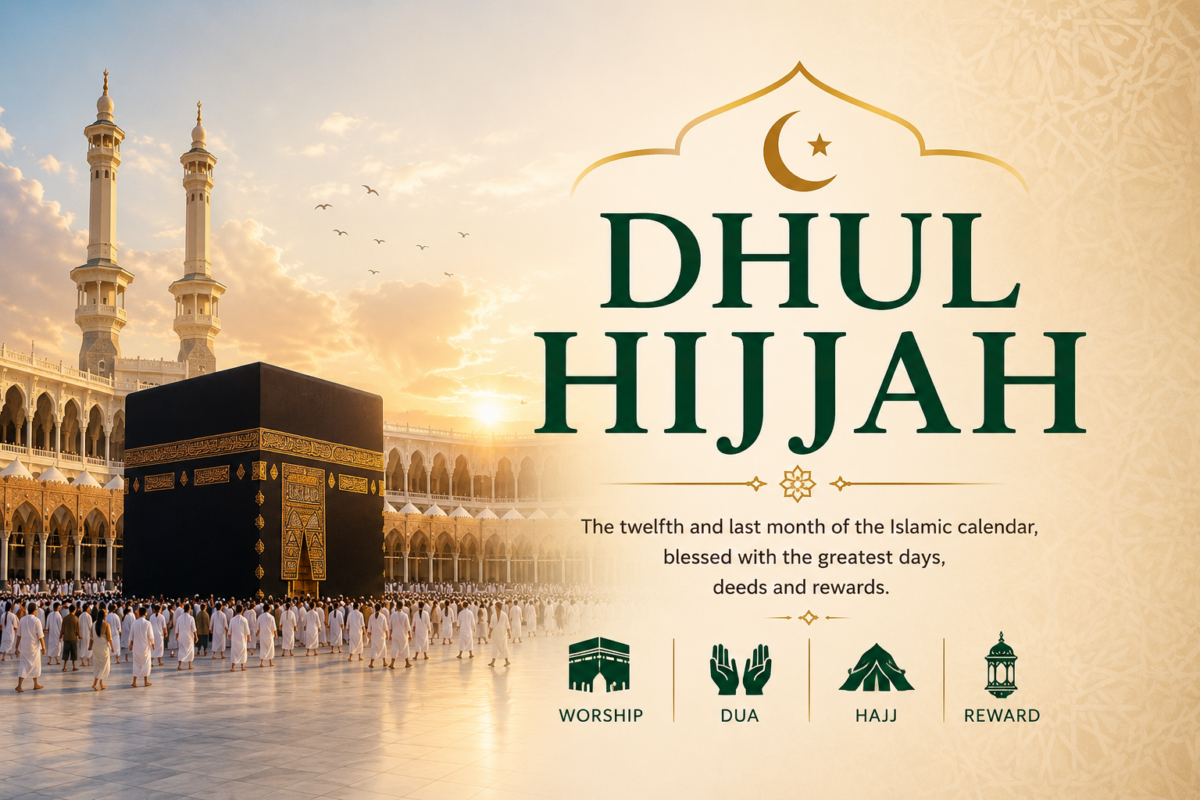
First 10 Days of Dhul Hijjah: The Best 10 Days of the Year

Among the most treasured gifts Allah ﷻ has bestowed upon this Ummah are specific windows of time when His mercy descends abundantly and rewards are multiplied beyond measure. The first ten days of Dhul Hijjah are, without doubt, the most magnificent of all such windows — a golden season for worship, reflection, and spiritual renewal. Alhamdulillah, in today’s world, all Muslims can take full advantage of this blessed season by choosing to Learn Quran Online and enrolling in structured Online Quran Classes that bring authentic Quranic education right to their doorstep.

“There are no days on which righteous deeds are more beloved to Allah than these ten days.” — Prophet Muhammad ﷺ (Sahih al-Bukhari)

This is not merely a narration — it is a divine proclamation. The Companions asked: “Not even jihad in the cause of Allah?” The Prophet ﷺ replied: “Not even jihad in the cause of Allah, except for the man who goes out with his life and wealth and returns with neither.” The superiority of these ten days is profound, established, and universally recognised by scholars across the centuries.

Why Are These 10 Days So Special?

Allah ﷻ Himself takes an oath by these days in Surah Al-Fajr: “By the dawn, and by the ten nights…” (89:1–2). The majority of scholars of tafsir, including Ibn Abbas (رضي الله عنه), hold that these “ten nights” refer to the first ten nights of Dhul Hijjah. When Allah swears by something, it signals that what follows is of extraordinary significance.

Three of the greatest acts of worship in Islam converge during this period: Hajj, fasting, and sacrifice (Qurbani). This convergence makes these days uniquely dense with spiritual opportunity. Whether you are in Makkah performing Hajj or at home anywhere in the world — including right here in Canada — these ten days are yours to seize.

What Should You Do During These 10 Days?

  1. Increase in Dhikr: Recite tasbeeh (SubhanAllah), tahmeed (Alhamdulillah), tahleel (La ilaha illallah), and takbeer (Allahu Akbar) abundantly — especially in public, as it is a revived Sunnah.
  2. Fast the first nine days — especially the Day of Arafah (9th Dhul Hijjah), which expiates sins of two years.
  3. Read and reflect on the Quran — increase your recitation, even if it is one page a day.
  4. Offer voluntary prayers (Nafl): Every extra rak’ah brings you closer to Allah during these blessed days.
  5. Give Sadaqah: Charity in these days carries magnified weight. Give generously.
  6. Seek forgiveness (Istighfar): Make tawbah sincerely and frequently.
  7. Offer Qurbani on Eid al-Adha (10th Dhul Hijjah) as an act of gratitude and obedience.

The Day of Arafah — The Crown Jewel

Of all the blessed days within this sacred ten, the 9th of Dhul Hijjah — the Day of Arafah — stands as the most elevated. The Prophet ﷺ said: “Fasting on the Day of Arafah is an expiation for two years — the year preceding it and the year following it.” (Sahih Muslim). This single fast has the power to wipe away two full years of minor sins.

On this day, Hajj pilgrims stand on the plains of Arafah in one of the most awe-inspiring gatherings on earth. For those not performing Hajj, fasting this day is the greatest act of worship they can offer. The gates of heaven are wide open, and du’a made on this day is answered in ways beyond our comprehension.

Connect With the Quran This Dhul Hijjah

One of the most powerful investments you can make during these ten blessed days — and beyond — is to deepen your relationship with the Quran. Whether you are a beginner or an advanced student seeking to Memorize Quran Online, there is a path for you. There is no better time to begin than now. If you are new to Quranic recitation, the first step is mastering the foundations. You can Learn Noorani Qaida online with expert guidance — this foundational course teaches you the correct pronunciation of Arabic letters and the rules of Tajweed from scratch, even if you have never read Arabic before. For those ready to begin reciting the Book of Allah, you can Read Quran Online under qualified instructors who will correct your recitation and ensure you are reading with proper Tajweed. Reciting the Quran in these ten days, even a few verses, carries immense reward — imagine reciting it correctly and beautifully.

Why Choose Quran Institute Online Canada?

Alhamdulillah, the digital age has made the Quran accessible to every Muslim around the globe. If you are based in Canada and looking for flexible, high-quality Quranic education, you do not need to travel or compromise on quality. As a trusted Online Quran Institute in Canada, we bring authentic Islamic education to your home, on your schedule. Our dedicated Online Quran Teachers are qualified, experienced, and passionate about guiding students of all ages and levels. Whether you are a child taking your first steps or an adult returning to the Quran after years away, our teachers meet you where you are and take you forward. With our structured Online Quran Classes, you can learn from the comfort of your home at a time that suits your busy Canadian lifestyle — be it early mornings, evenings, or weekends. Our flexible scheduling ensures that nothing stands between you and the Quran.

Use These 10 Days to Begin Your Quranic Journey

The Prophet ﷺ said: “The best of you are those who learn the Quran and teach it.” (Sahih al-Bukhari). This Hadith is not just a compliment — it is an invitation. An invitation that is especially meaningful during the best ten days of the year.

Perhaps you have been meaning to Learn Quran Online for some time now. Perhaps life got in the way — work, family, the pace of daily life in Canada. These ten days of Dhul Hijjah are your sign. Take a step today, even if it is small. Enrol in Online Quran Lessons that fit your schedule and begin building a daily connection with the Word of Allah. Whether your goal is to recite beautifully, understand the meanings through our Online Quran Academy translation courses, or commit entire surahs to memory — we are here to support you every step of the way.

Make a Promise to Yourself This Dhul Hijjah

The days of Dhul Hijjah do not wait. Every sunrise that passes is a day of divine opportunity that will not return until next year. Use these days to pray more, fast more, give more, and — crucially — to re-establish your bond with the Quran.

Allah ﷻ says: “Indeed, this Quran guides to that which is most suitable and gives good tidings to the believers who do righteous deeds that they will have a great reward.” (Al-Isra, 17:9). Let this Dhul Hijjah be the season you return to that guidance — not just for ten days, but for life.Ready to take that first step? Contact us today and let our team help you find the right course for your level and schedule. We are here to guide you every step of the way. May Allah ﷻ accept our worship during these blessed days, forgive our shortcomings, and make the Quran the light of our hearts and the companion of our lives. Ameen.

Categories
Uncategorized

Eid al-Adha 2026: The True Meaning of Sacrifice Every Muslim Should Know

Every year, as the blessed days of Dhul Hijjah arrive, the hearts of Muslims around the world fill with a sense of awe, gratitude, and deep spiritual longing. The air carries the echo of Takbeer, the fragrance of sacrifice, and the warmth of brotherhood — for Eid al-Adha, the Grand Festival of Sacrifice, has come once again.

Eid al-Adha is not just a celebration — it is one of the most sacred and spiritually charged occasions in Islam. It is a day that calls every believer to pause, reflect, and reconnect with the very essence of faith: complete submission to Allah SWT. From the plains of Arafah to the streets of Muslim neighbourhoods across the globe, this blessed festival unites over a billion Muslims in a single act of devotion, remembrance, and gratitude.

But beyond the prayers, the Qurbani, and the festive gatherings lies a deeper invitation — an invitation to strengthen our bond with the Holy Quran, the word of Allah SWT that guides us in every aspect of life. This Eid is the perfect opportunity to make a sincere intention to Learn Quran online and develop a lifelong relationship with the Book of Allah — because true celebration is not just of the day, but of the deen itself.

What Is Eid al-Adha?

Eid al-Adha, also known as the Grand Eid or the Festival of Sacrifice, is celebrated on the 10th of Dhul Hijjah — the final month of the Islamic lunar calendar. It marks the culmination of Hajj, the annual pilgrimage to the holy city of Mecca, which is one of the five pillars of Islam. Muslims around the world celebrate this blessed occasion for three days, filled with prayer, sacrifice, generosity, and togetherness.

What Does Eid al-Adha Commemorate?

At the heart of Eid al-Adha is the profound story of Prophet Ibrahim (AS) — a story of unwavering faith, complete submission to Allah SWT, and ultimate devotion. Every year, millions of pilgrims journey to Mecca to remember and honour the trials and triumphs of this great Prophet, as Allah SWT mentions in the Holy Quran:

“Surely Abraham was an example, obedient to Allah, by nature upright, and he was not of the polytheists. He was grateful for Our bounties. We chose him and guided him on the right path. We gave him good in this world, and in the next, he will most surely be among the righteous.” — Qur’an 16:120–121

Allah SWT tested Hazrat Ibrahim (AS) with one of the greatest trials — the command to sacrifice his beloved son, Ismail (AS). Both father and son submitted completely to the will of Allah. At the very moment Ibrahim (AS) was about to carry out the command, Allah replaced his son with a ram, revealing that his sacrifice had been accepted. This event stands as the ultimate symbol of Tawakkul — complete trust in Allah SWT.

To truly appreciate the depth of this story, one must engage with the Quran regularly. If you wish to Learn Quran online, connecting with qualified teachers can help you explore these narratives in a meaningful and spiritually enriching way.

Why Do Muslims Sacrifice an Animal on Eid al-Adha?

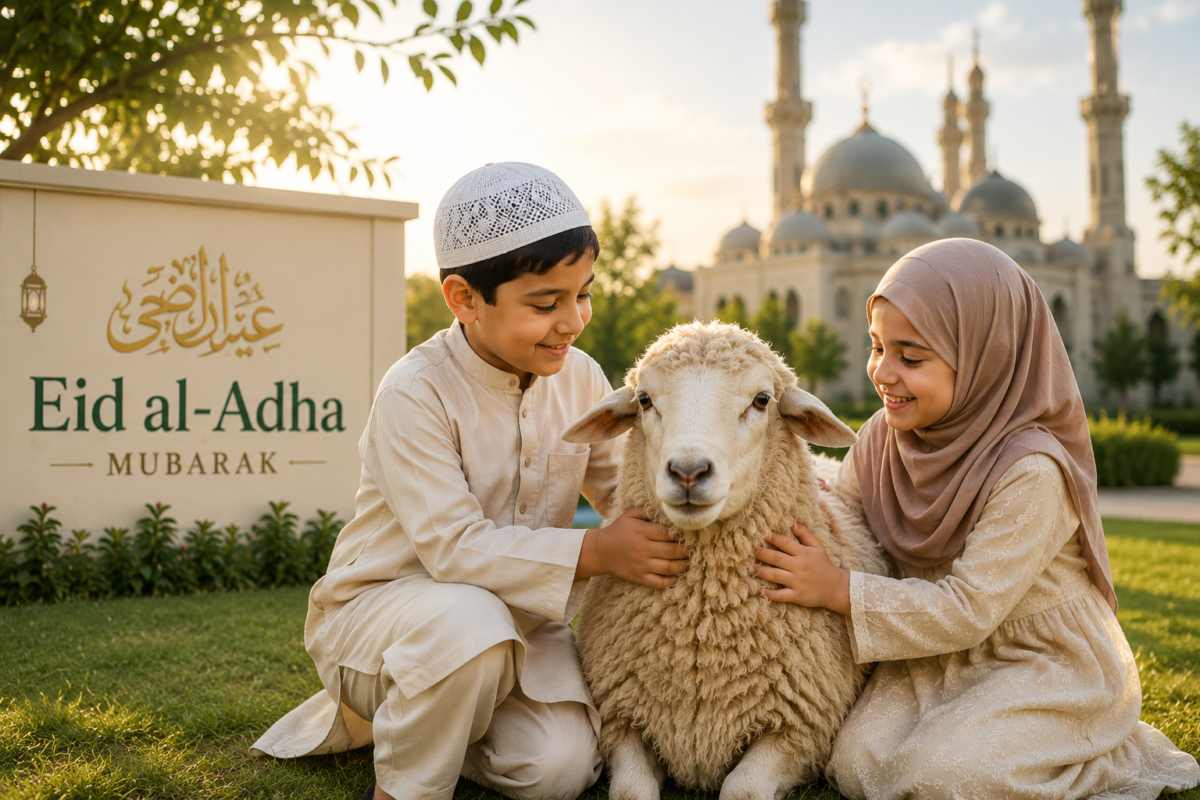
In remembrance of Ibrahim’s (AS) sacrifice, Allah SWT has ordained that Muslims slaughter a permissible animal — such as a sheep, goat, cow, or camel — in His name during the days of Eid. This act is known as Qurbani (sacrifice). The meat is divided into three equal portions: one for the family, one for relatives and neighbours, and one for those in need.

This beautiful tradition serves both spiritual and social purposes. It reminds us that all blessings come from Allah SWT, and that sharing those blessings with others — especially the poor and needy — is an act of worship. It also symbolises our willingness to give up what we love for the sake of Allah SWT. The Quran makes the true purpose of Qurbani beautifully clear:

“It is not their meat nor their blood that reaches Allah; it is your piety that reaches Him.” — Qur’an 22:37

This verse is a powerful reminder that the outward act of sacrifice is only the vessel — what truly matters is the sincerity, the piety, and the submission of our hearts to Allah SWT. Enrolling in Online Quran Classes can help you explore such Quranic wisdom more deeply throughout the year.

How Do Muslims Celebrate Eid al-Adha?

Eid al-Adha is a three-day celebration beginning with a special congregational Eid prayer performed in mosques or large open spaces. Muslims dress in their finest clothes, offer the Eid prayer, and listen to the Khutbah (sermon). After the prayer, they greet one another warmly and proceed to perform the sacrifice.

  • Performing the special Eid prayer in congregation
  • Offering Qurbani (animal sacrifice) in the name of Allah
  • Distributing meat to the poor, relatives, and neighbours
  • Visiting family and friends and sharing festive meals
  • Engaging in remembrance of Allah (Dhikr) and reading the Quran
  • Reflecting on the lessons of sacrifice, gratitude, and submission

Eid al-Adha and the Quran — Deepening Your Connection

Eid al-Adha is rooted in Quranic stories and divine commandments. The more we understand the Quran, the richer our experience of this occasion becomes. If you want to truly internalise the lessons of this day, there is no better step than to Memorize Quran online or Read Quran online with proper Tajweed under the guidance of expert teachers.

For beginners and children, learning the basics through Learn Noorani Qaida is the ideal starting point — it lays the phonetic and recitation foundation required before moving on to full Quranic reading. And for those who wish to understand what they recite, structured Online Quran lessons in translation and Tafseer can transform your relationship with the Book of Allah.

Start Your Quranic Journey with a Trusted Online Quran Institute

This Eid, make a sincere intention to strengthen your bond with the Holy Quran. Whether you are in Canada or anywhere in the world, you can access professional Quran education from the comfort of your home. As a leading Online Quran Institute in Canada, we offer a wide range of structured courses for students of all ages and levels — taught by experienced, certified Online Quran teachers who combine knowledge with compassion.

Our courses are flexible, affordable, and tailored to fit your schedule — so there is no excuse to delay your Quranic education.

Conclusion — Make This Eid the Beginning of a New Chapter 

Eid al-Adha teaches us that true devotion is not just about rituals — it is about the state of our heart, our willingness to sacrifice, and our commitment to living by Allah’s guidance. The best way to honour this spirit throughout the year is to make the Quran a constant companion in your daily life. Whether you are just beginning your journey or looking to deepen your existing knowledge, our Online Quran Academy is here to guide you every step of the way. Eid Mubarak from all of us — may Allah accept your sacrifices, forgive your sins, and fill your homes with peace and blessings. Ameen.

Categories
Uncategorized

How to Perform Hajj: A Complete Step-by-Step Guide for Every Muslim

Hajj is one of the five pillars of Islam and one of the most spiritually profound journeys a Muslim can undertake in their lifetime. Every year, millions of Muslims from across the globe travel to the holy city of Makkah, Saudi Arabia, to fulfill this sacred obligation. Whether you are preparing for your first Hajj or simply want to deepen your understanding of its rituals, this comprehensive guide covers everything you need to know — step by step. Before embarking on this blessed journey, it is highly recommended to Learn Quran Online so you can confidently recite the Duas, Surahs, and supplications performed throughout Hajj.

What is Hajj?

Hajj is the annual Islamic pilgrimage to Makkah and is obligatory (Fard) for every adult Muslim who is physically and financially capable of making the journey at least once in their lifetime. Allah (SWT) says in the Holy Quran: “And Hajj to the House is a duty that mankind owes to Allah, for those who can find a way to it.” (Surah Al-Imran: 97). Hajj takes place during the Islamic month of Dhul Hijjah, specifically from the 8th to the 13th day. It commemorates the trials and unwavering devotion of Prophet Ibrahim (AS), his wife Hajira (AS), and his beloved son Prophet Ismail (AS). It is not merely a physical journey but a complete act of worship that unites Muslims from every corner of the world in one place, at one time, for one purpose — the worship of Allah (SWT).

Who is Obligated to Perform Hajj?

Hajj becomes compulsory upon a Muslim when certain conditions are fulfilled. The person must be a Muslim, an adult who has reached puberty, mentally sound, physically capable of undertaking the journey, and financially able to afford it without falling into debt or neglecting their family’s basic needs. For women, it is also required to have a Mahram (male guardian) accompany them on the journey. If any of these conditions are not met, Hajj is not obligatory on that person at that time. However, every Muslim should strive to fulfill this pillar as early as possible once they are able. Enrolling in Online Quran Classes before your Hajj journey will help you learn the necessary prayers, Duas, and Quranic verses with proper pronunciation and a deeper understanding of their meanings.

Types of Hajj

There are three types of Hajj that a pilgrim can choose to perform, and each carries its own set of rules and requirements. The first is Hajj al-Ifrad, in which the pilgrim enters Ihram solely for Hajj without combining it with Umrah in the same trip, and no animal sacrifice is required. The second is Hajj al-Tamattu, which is the most common type for pilgrims traveling from outside Saudi Arabia — the pilgrim performs Umrah first, exits Ihram, and then re-enters Ihram for Hajj, with an animal sacrifice being mandatory. The third is Hajj al-Qiran, in which the pilgrim enters Ihram for both Hajj and Umrah simultaneously without exiting Ihram between them, and animal sacrifice is also mandatory. It is important to choose the type of Hajj based on your travel plan and consult a knowledgeable scholar if you are unsure which type suits your situation best.

How to Prepare for Hajj

Spiritual Preparation

Spiritual preparation is the foundation of a meaningful Hajj experience. A pilgrim must begin by making a sincere intention (Niyyah) to perform Hajj solely for the pleasure of Allah, free from any desire for show or worldly recognition. It is essential to seek genuine forgiveness (Tawbah) for past sins, repay any debts, and resolve disputes with family, friends, or colleagues before departing. Increasing acts of worship in the months leading up to Hajj — such as praying Tahajjud, making consistent Dua, and reciting the Quran daily — will help the heart arrive in a state of readiness. It is strongly recommended to Memorize Quran Online — especially the key Surahs and Duas recited throughout Hajj — so that your worship during the pilgrimage is focused, heartfelt, and connected to the words of Allah.

Physical and Practical Preparation

Hajj involves extensive walking, often covering several kilometers each day in hot weather, so physical preparation is just as important as spiritual readiness. Pilgrims should begin walking regularly months before departure to build stamina and endurance. Getting a full medical check-up and obtaining all required vaccinations — such as Meningitis ACWY — is mandatory for entry into Saudi Arabia. It is equally important to arrange all travel documents, Hajj visa, and group registration well in advance, as Hajj packages fill up quickly, especially for pilgrims from Canada. Packing light, breathable clothing along with your Ihram garments, essential medications, and personal care items will ensure a comfortable journey. Taking time to Read Quran Online in the months before Hajj will also help you learn the Arabic supplications with correct Tajweed, so you can recite them with confidence throughout the pilgrimage.

Step-by-Step Guide to Performing Hajj

Step 1: Enter the State of Ihram (8th Dhul Hijjah)

Ihram is the sacred state of spiritual purity that every pilgrim must enter before performing Hajj, and it marks the official beginning of the pilgrimage. The pilgrim begins by performing a ritual bath (Ghusl), trimming nails, and removing any scented products. Men then wear two pieces of plain, unstitched white cloth — one wrapped around the waist and one draped over the shoulder — while women wear modest, loose-fitting clothing that covers the entire body. The pilgrim makes the intention (Niyyah) for Hajj at the Miqat, which is the designated boundary point outside Makkah, and begins reciting the Talbiyah: “Labbayk Allahumma Labbayk, Labbayka La Shareeka Laka Labbayk, Innal Hamda Wan-Ni’mata Laka Wal Mulk, La Shareeka Lak.” Once in the state of Ihram, certain actions become prohibited including cutting hair or nails, using perfume, engaging in marital relations, hunting, and arguing or using foul language. Beginners who have never learned proper Arabic pronunciation should Learn Noorani Qaida to build a strong foundation for reciting the Talbiyah and other Hajj prayers correctly.

Step 2: Arrival in Makkah — Tawaf al-Qudum (8th Dhul Hijjah)

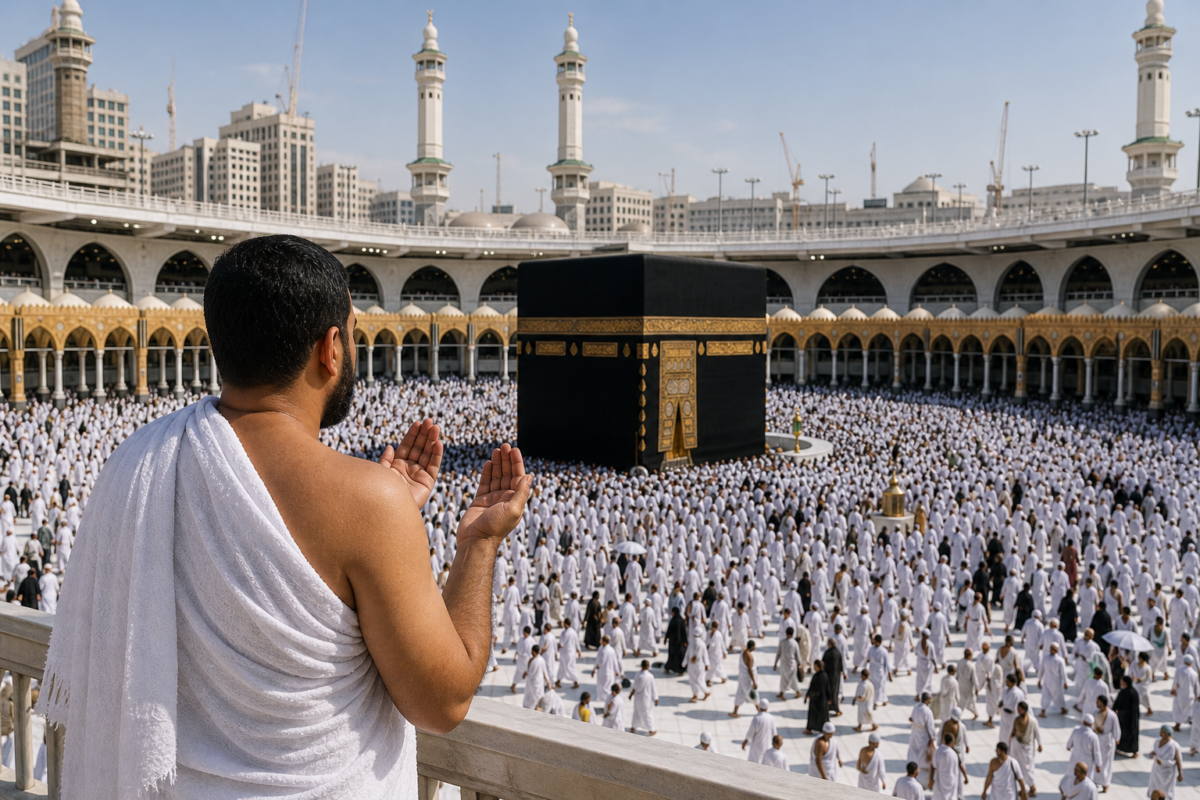
Upon arriving in Makkah, the pilgrim’s first act is to proceed to Masjid al-Haram and perform Tawaf al-Qudum, which is the Tawaf of Arrival. This involves walking around the sacred Kaaba seven times in a counter-clockwise direction, beginning each circuit from the Black Stone (Hajar al-Aswad) by kissing it, touching it, or simply pointing toward it while saying “Bismillah, Allahu Akbar.” During each circuit, the pilgrim recites Duas and engages in the remembrance of Allah with a humble and focused heart. After completing the seven circuits, the pilgrim prays two Rakats behind Maqam Ibrahim — the station of Prophet Ibrahim (AS) — and then proceeds to drink from the blessed Zamzam water, which has been flowing miraculously for thousands of years.

Step 3: Perform Sa’i Between Safa and Marwa

Following Tawaf, the pilgrim performs Sa’i, which is the act of walking back and forth seven times between the two small hills of Safa and Marwa. This ritual commemorates the courageous and desperate search of Hajirah (AS) for water for her infant son Ismail (AS), and it is a powerful reminder of her trust in Allah during a time of great difficulty. The pilgrim begins at Safa, walks to Marwa, and then back to Safa — completing seven laps in total, ending at Marwa. Men are encouraged to walk briskly between the green markers to follow the Sunnah of the Prophet (PBUH). Throughout Sa’i, the pilgrim recites Duas, glorifies Allah, and reflects on the deep faith and sacrifice of Hajirah (AS). Joining an Online Quran Academy before Hajj allows pilgrims to understand the Quranic context and spiritual significance behind each ritual, making moments like Sa’i far more meaningful.

Step 4: Travel to Mina (8th Dhul Hijjah — Yawm al-Tarwiyah)

On the 8th of Dhul Hijjah, known as Yawm al-Tarwiyah, all pilgrims travel from Makkah to the valley of Mina, which is approximately 5 kilometers away. Mina is a vast tent city that temporarily houses millions of pilgrims during the days of Hajj. Upon arriving, pilgrims settle into their designated tents and spend the rest of the day and night in worship, Dua, and Quran recitation. The five daily prayers — Dhuhr, Asr, Maghrib, Isha, and Fajr — are performed in Mina, with the four-Rakat prayers shortened to two Rakats each (Qasr), following the Sunnah of the Prophet (PBUH). Spending this night in Mina is an act of Sunnah and serves as spiritual preparation for the most important day of Hajj — the Day of Arafat.

Step 5: The Day of Arafat — Wuquf (9th Dhul Hijjah)

The Day of Arafat is without doubt the greatest and most essential pillar of the entire Hajj pilgrimage. The Prophet Muhammad (PBUH) declared: “Hajj is Arafat,” meaning that without standing on the plains of Arafat, the Hajj is not valid. After Fajr prayer in Mina, pilgrims travel to the vast plains of Arafat and gather from after Dhuhr until sunset in a state of deep worship, supplication, and repentance. Pilgrims pray Dhuhr and Asr combined and shortened at Masjid Namirah, and then spend the remaining hours in intense Dua, Dhikr, and Quran recitation, begging Allah for forgiveness, mercy, and guidance. The Day of Arafat is considered the greatest day of the Islamic year, and it is believed that Allah descends to the lowest heaven and takes pride in the gathering of His servants. Taking Online Quran lessons in preparation for this day ensures that pilgrims can recite Quranic verses and heartfelt supplications with knowledge, understanding, and deep spiritual connection.

Step 6: Muzdalifah — Night Under the Stars (9th to 10th Dhul Hijjah)

After the sun sets on the Day of Arafat, pilgrims depart for Muzdalifah, an open area located between Arafat and Mina. Upon arriving, pilgrims pray Maghrib and Isha together (combined and shortened) and then spend the night sleeping under the open sky in a state of complete simplicity and devotion. This night in Muzdalifah is a deeply humbling experience, as millions of Muslims rest together on the ground with no luxuries, reminding every pilgrim of the equality of all human beings before Allah. Before departing at dawn, pilgrims collect small pebbles — at least 49 to 70 in total — which will be used for the symbolic Stoning of Shaitan in the coming days. The pilgrim performs Fajr prayer and spends time in sincere Dua and Dhikr until shortly before sunrise, then heads back toward Mina to continue the remaining rituals of Hajj.

Step 7: The Day of Eid — Yawm al-Nahr (10th Dhul Hijjah)

The 10th of Dhul Hijjah, known as Yawm al-Nahr or the Day of Sacrifice, is the most action-packed and momentous day of the entire Hajj pilgrimage. It begins with Rami al-Jamarat, in which the pilgrim throws seven pebbles at the largest pillar called Jamrat al-Aqabah, symbolizing the rejection of Shaitan and affirming total submission to Allah. After Rami, the pilgrim performs Hady — the ritual slaughter of an animal such as a sheep, goat, or cow — as an act of worship and gratitude, commemorating Prophet Ibrahim’s (AS) willingness to sacrifice his son for the sake of Allah. Following the sacrifice, men shave their heads completely (Halq) or trim their hair (Taqsir), while women cut a small portion of their hair. With this, the pilgrim partially exits the state of Ihram. The pilgrim then returns to Makkah to perform Tawaf al-Ifadah — the main and obligatory Tawaf of Hajj — followed by Sa’i, before returning to Mina for the nights of Tashreeq. The Online Quran Institute in Canada at Quran Institute Online helps pilgrims understand the Quranic significance of sacrifice, gratitude, and submission that lie at the heart of this blessed day.

Step 8: Days of Tashreeq — Rami in Mina (11th–13th Dhul Hijjah)

The 11th, 12th, and 13th of Dhul Hijjah are known as the Days of Tashreeq, and pilgrims spend these nights in Mina continuing their worship and completing the ritual of stoning. Each day after Dhuhr, the pilgrim throws seven pebbles at each of the three Jamarat pillars — the small, medium, and large — totaling 21 stones per day. After stoning the first and second pillars, it is Sunnah to stand facing the Qiblah, raise the hands, and make sincere and extended Dua. Pilgrims who wish to leave after the 12th of Dhul Hijjah may do so before sunset, performing what is known as Nafar Awwal (the early departure). However, those who remain until after sunset on the 12th must stay for the 13th and complete the full Tashreeq — known as Nafar Thani — which carries greater spiritual reward. These days are a time of continued Dhikr, Quran recitation, and reflection on the transformative journey that is nearing its completion.

Step 9: Tawaf al-Wada — Farewell Tawaf

Before departing from Makkah, every pilgrim is required to perform Tawaf al-Wada — the Farewell Tawaf — as the final and concluding act of the Hajj pilgrimage. The pilgrim returns to Masjid al-Haram and performs seven circuits around the Kaaba one last time, with a heart full of gratitude, love, and longing. After completing the Tawaf, two Rakats are prayed near Maqam Ibrahim, and the pilgrim drinks from Zamzam water, making heartfelt Dua for themselves, their families, and the entire Muslim Ummah. For many pilgrims, this farewell is an incredibly emotional moment — filled with tears and a deep sense of gratitude to Allah for granting them the blessing of completing this sacred journey. Our expert Online Quran teachers encourage all pilgrims to make the Duas of this final Tawaf with full presence of heart, as it marks the closing of one of the most spiritually significant chapters of a Muslim’s life.

What is Hajj Mabroor?

Hajj Mabroor refers to a Hajj that is fully accepted by Allah — one performed with genuine sincerity, proper adherence to the teachings of the Prophet (PBUH), and which results in a lasting positive transformation in the pilgrim’s character and faith. The Prophet Muhammad (PBUH) beautifully stated: “An accepted Hajj has no reward except Jannah (Paradise).” (Bukhari & Muslim). A Mabroor Hajj is recognized not only by how the rituals were performed, but by the change it brings — the pilgrim returns more humble, more patient, more devoted to worship, and more compassionate toward others. To maintain this spiritual elevation after Hajj, it is essential to continue consistent worship, including regular Quran recitation, daily prayers, and ongoing Islamic education.

Tips for Muslims in Canada Preparing for Hajj

For Muslims living in Canada, preparing for Hajj requires additional planning and early action. Hajj applications through provincial Islamic organizations or registered travel agencies often open 12 to 18 months in advance, so it is important to register as early as possible to secure a spot. All required medical vaccinations — particularly Meningitis ACWY and any other vaccines mandated by Saudi Arabia — must be completed before departure. Pilgrims should begin their spiritual and physical preparation at least six months ahead, including daily walking to build stamina for the extensive distances covered during Hajj. Learning the rituals, Duas, and Quranic recitations well in advance is absolutely essential, and joining the Online Quran Institute in Canada at Quran Institute Online is one of the best ways to achieve this from the comfort of your home.

Why Learning Quran is Essential Before Hajj

Hajj is inseparable from the Quran — from the Talbiyah recited in Ihram to the Duas made at Arafat, from the prayers during Tawaf to the supplications at Muzdalifah, every moment of Hajj is enriched and elevated by knowledge of the Quran. A pilgrim who understands the meaning of what they are reciting experiences Hajj on an entirely different spiritual level compared to one who recites without comprehension. This is why investing in Quranic education before Hajj is not just beneficial — it is transformative. Whether you are a beginner wanting to Learn Quran Online, an intermediate student looking to improve your recitation through Online Quran Classes, or someone who wants to Memorize Quran Online to carry the words of Allah in their heart during every step of the journey — Quran Institute Online Canada has the right program for you.

Here is a unique heading and ending paragraph for your site:

Begin Your Quranic Journey with Quran Institute Online Canada — Your Trusted Partner in Islamic Education

At Quran Institute Online Canada, we believe that every Muslim deserves access to high-quality Quranic education — no matter where they live or how busy their schedule may be. As you prepare for the greatest journey of your life, let us be your companion in spiritual growth. Our certified and experienced Online Quran teachers are dedicated to helping students of all ages and levels connect deeply with the Holy Quran through personalized, one-on-one classes conducted from the comfort of your home. Whether you are a complete beginner who wants to Learn Noorani Qaida, a student who wants to Read Quran Online with proper Tajweed, someone who wants to Memorize Quran Online with the guidance of a qualified Hafiz, or a seeker who wants to understand the deeper meanings through our Online Quran Academy — we have a course perfectly designed for you. Thousands of Muslims across Canada have already transformed their relationship with the Quran through our Online Quran lessons, and we are ready to welcome you into our growing family of learners. Do not let distance, time, or busy routines stand between you and the Book of Allah. Join the Online Quran Institute in Canada today and take the first step toward a lifetime of Quranic knowledge, spiritual fulfillment, and closeness to Allah (SWT). Because when you Learn Quran Online with us, you are not just learning to recite — you are learning to live by the words of Allah. Enroll now and let your journey with the Quran begin.

Categories
Uncategorized

The Importance of Learning Quran with a Teacher

The Quran is the word of Allah, and learning it correctly is one of the most sacred duties of every Muslim. It is not merely a book to be read — it is a divine guide, a source of healing, mercy, and wisdom for all of mankind. Learning it correctly, with proper pronunciation and understanding, is one of the most sacred and rewarding duties a Muslim can fulfill. Yet, many people underestimate the importance of learning it the right way — under the supervision of a qualified teacher.

In today’s fast-paced world, many Muslims turn to apps, videos, or self-study materials to connect with the Quran. While these tools can be helpful as supplements, they can never replace the value of a live, experienced instructor. When you learn Quran online with a certified teacher, you gain real-time feedback on your recitation, immediate correction of Tajweed errors, and the kind of personalized attention that no automated tool can offer

Why a Teacher Is Essential for Quranic Learning

The tradition of learning the Quran has always been through an unbroken chain of teachers — from the Prophet Muhammad (PBUH) to his companions, and down to us today. This chain ensures the correct transmission of recitation, pronunciation, and understanding.

When you learn Quran online with a qualified teacher, you benefit from real-time correction of your Tajweed, proper pronunciation of Arabic letters, and personalized guidance that no book or app can provide.

Correct Pronunciation and Tajweed

Arabic is a precise language. A single mispronounced letter can change the meaning of a verse entirely. Enrolling in online Quran classes gives you access to expert instructors who ensure your recitation is accurate from the very beginning.

Spiritual Guidance and Motivation

A teacher does more than correct mistakes — they inspire, motivate, and guide students spiritually. The relationship between a student and a Quran teacher is a blessed bond that keeps learners consistent and committed on their journey.

Benefits of Learning Quran Online with a Teacher

Technology has made it possible to connect with qualified Quran teachers from anywhere in the world. Whether you are in Canada or anywhere else, you no longer have to compromise on the quality of your Quranic education.

Memorization Made Easier

One of the greatest gifts a Muslim can give themselves is the memorization of the Quran. If you want to memorize Quran online, doing so with a dedicated teacher dramatically increases your success rate by keeping you accountable and on track.

Learning to Read with Fluency

Before memorization or deep study, every student must first read Quran online fluently. A qualified teacher introduces proper letter forms, vowel marks, and Tajweed rules step by step, building a strong foundation for lifelong recitation.

Starting from the Basics — Noorani Qaida

For beginners and young children, the journey starts with the basics. To learn noorani qaida under a teacher’s supervision ensures that students learn Arabic letters and their sounds correctly before progressing to full Quranic recitation.

Choosing the Right Online Quran Academy

Not all online platforms are equal. When selecting an online Quran academy, look for certified teachers, a structured curriculum, flexible scheduling, and a supportive learning environment tailored to your age and level.

Flexible and Consistent Online Quran Lessons

You can schedule online Quran lessons around your work, school, or family commitments — without ever sacrificing the personal attention of a live teacher. Consistency is key, and a structured timetable with a dedicated instructor makes all the difference.

Why Choose an Online Quran Institute in Canada

For Muslims living in Canada, finding local Quran teachers can be challenging. Joining a trusted Online Quran Institute in Canada bridges that gap — offering access to world-class scholars from the comfort of your home, at times that suit the Canadian lifestyle.

The Role of Qualified Online Quran Teachers

The quality of your Quranic education depends greatly on the quality of your teacher. Experienced online Quran teachers bring not only knowledge of the text but also the wisdom to teach with patience, clarity, and care — adapting to each student’s pace.

A Legacy Worth Preserving

The Quran has been preserved through oral transmission for over 1,400 years. Every Muslim who learns and teaches the Quran becomes part of this sacred legacy. Learning with a teacher is the most authentic and effective path forward.

Begin Your Quranic Journey Today — The Right Way

The path to learning the Quran is one of the most noble and rewarding journeys a Muslim can embark upon. In a world full of distractions, temptations, and endless digital noise, having a knowledgeable and dedicated Quran teacher by your side is not just helpful — it is essential. A qualified teacher does not simply teach you how to read; they guide your heart, correct your tongue, strengthen your connection with Allah (SWT), and keep you spiritually grounded every step of the way.

From perfecting your Tajweed and mastering the rules of recitation, to memorize Quran online and understanding the deeper meanings of the verses, a teacher accelerates your progress in ways that self-study simply cannot match. With structured online Quran lessons, you get personalized attention, regular feedback, and a learning plan designed around your individual pace and goals.The best time to start was yesterday — the second best time is today. Do not delay this blessed journey any further. Whether you are a beginner who wants to read Quran online for the first time, or someone returning to strengthen their recitation, take that first step with confidence. Connect with experienced online Quran teachers at a trusted Online Quran Institute in Canada, and begin the most meaningful journey of your life — because every letter you recite with sincerity carries a reward beyond measure.

Categories
Uncategorized

How to Read Noorani Qaida Online?

Learning to read the Quran is a deeply meaningful journey for every Muslim. Whether you are a parent hoping to connect your child with the Holy Quran, or an adult looking to start from scratch, the first step is always the same — learn Noorani Qaida. Today, thanks to the internet, you no longer have to step outside your home to begin this journey. You can read Quran online and complete your Noorani Qaida course from the comfort of your living room, with expert guidance from certified online Quran teachers.

In this blog, we will explain what Noorani Qaida is, how to read it online, what you will learn, and why enrolling in online Quran classes at a trusted Online Quran Institute in Canada is the smartest choice for you and your family.

What Is Noorani Qaida?

Noorani Qaida is a foundational booklet used to teach beginners how to read Arabic letters and recite the Quran correctly. It was compiled by Molvi Noor Muhammad Ludhianvi and has since become the standard starting point for Quranic education across the world.

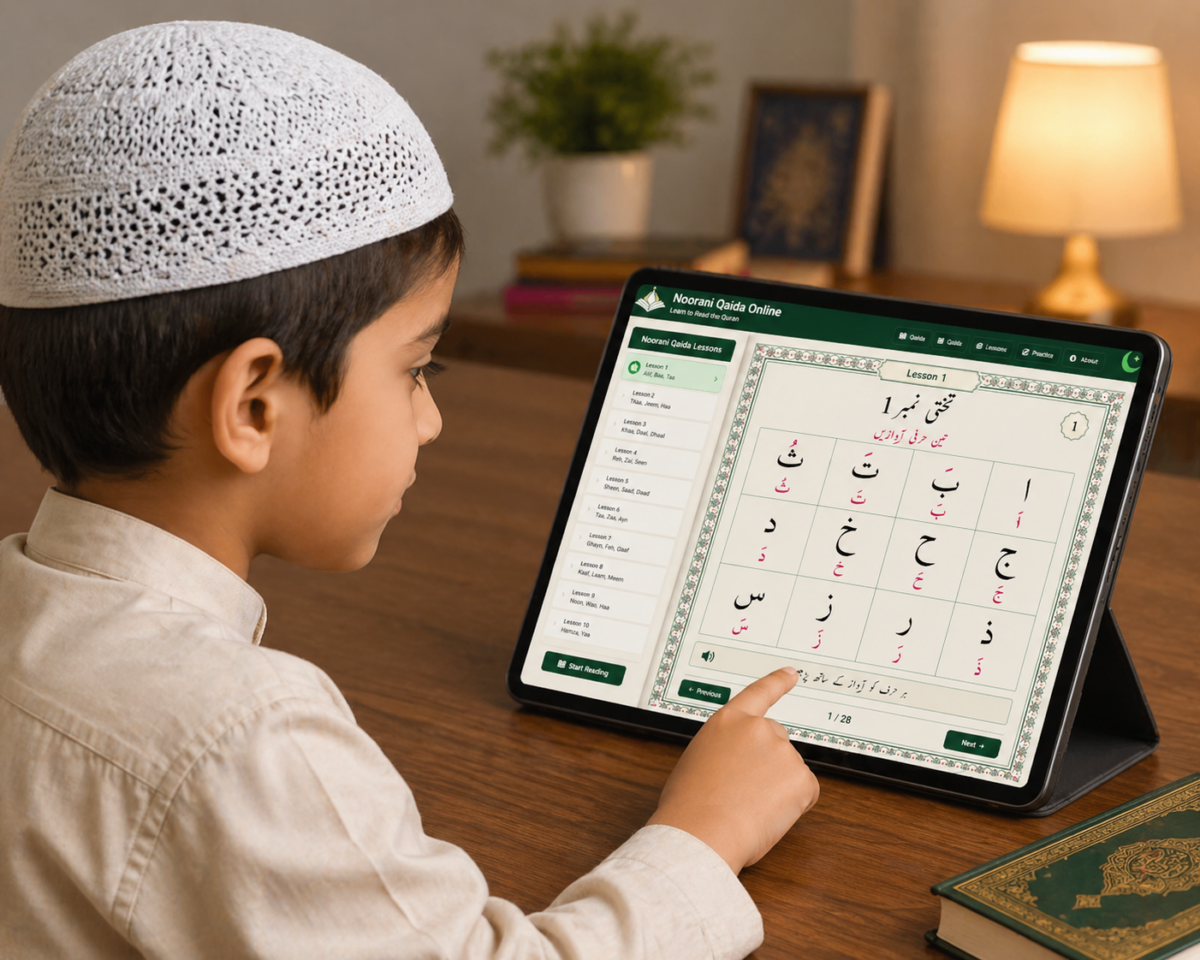
Think of Noorani Qaida as the “alphabet book” of Quranic learning. Just as children learn the ABCs before reading English sentences, students must master Noorani Qaida before they can read Quran online or in any classroom setting. It introduces Arabic letters, vowels (Harakaat), Tajweed rules, and pronunciation guidelines step by step — making even the most complex phonetic rules accessible to complete beginners.

Why Learn Noorani Qaida Online?

In the past, learning Noorani Qaida meant finding a local mosque or Islamic school, which was not always easy — especially for Muslim families living in Canada. Today, online Quran lessons have changed everything. Here is why learning Noorani Qaida online is a practical and effective choice:

1. Learn from Anywhere in Canada Whether you live in Ontario, Quebec, British Columbia, Alberta, or any other province, you can access high-quality online Quran classes without leaving your home. A reliable internet connection and a device (laptop, tablet, or smartphone) are all you need.

2. Flexible Scheduling Life in Canada is busy. Work, school, and family commitments leave little room for fixed class times. With online Quran lessons, you can schedule your sessions at a time that works best for you — morning, evening, or even weekends.

3. One-on-One Attention Unlike group classes in a mosque, online Quran classes at a reputable Online Quran Academy are typically one-on-one. Your teacher’s full attention is on you alone, which means faster progress and immediate correction of mistakes.

4. Access to Qualified Online Quran Teachers Trusted online Quran teachers are certified in Tajweed and Quranic recitation. They are experienced in teaching students of all ages and backgrounds, making it easy for both kids and adults to learn at their own pace.

5. Safe and Comfortable Learning Environment Learning from home provides a distraction-free, comfortable space, especially important for young children who may feel nervous in a new classroom setting.

What Will You Learn in a Noorani Qaida Course Online?

A well-structured Learn Noorani Qaida course covers everything you need to go from complete beginner to confident Quran reader. Here is a breakdown of what a typical course covers:

  1. Basic Arabic Alphabets — Recognition of all 29 Arabic letters in their isolated forms
  2. Points of Articulation (Makharij) — Where each letter originates in the mouth and throat
  3. Different Shapes of Letters — How Arabic letters change at the beginning, middle, and end of a word
  4. Harakaat (Vowel Symbols) — Fatha, Kasra, and Dhamma — the short vowels that give letters their sound
  5. Tanween — Double vowel sounds at the end of words
  6. Standing Harakaat — Vertical vowels and how to use them correctly
  7. Madd (Stretching) — Rules for elongating certain vowel sounds
  8. Sukoon (Jazm) — When a letter is pronounced without a vowel
  9. Tashdeed (Shaddah) — Emphasis and doubling of letters
  10. Rules of Qalqalah — The echo sounds in specific letters
  11. Rules of Ghunnah, Ikhfa, Idgham, and Iqlab — Core Tajweed rules for smooth recitation
  12. Waqf (Pausing Rules) — When and how to stop during recitation
  13. Word Formation Exercises — Combining letters and vowels into readable words
  14. Full Revision of All Lessons — Comprehensive review before graduating to Quran reading

By completing these lessons, students build a solid foundation to read Quran online with confidence, proper pronunciation, and correct Tajweed.

How Is Noorani Qaida Taught Online?

The process of learning Noorani Qaida online is simpler than most people think. Here is how a typical session works at a trusted Online Quran Institute in Canada:

Step 1 — Book a Free Trial Most reputable Online Quran Academies offer a free trial week with no credit card or payment required. This lets you evaluate the teaching quality and find the right teacher before committing.

Step 2 — Schedule Your Class Once you book your trial, the academy will get in touch to schedule your sessions at a time that is convenient for you. Sessions are typically 30 minutes long and held via Zoom, Skype, or Microsoft Teams.

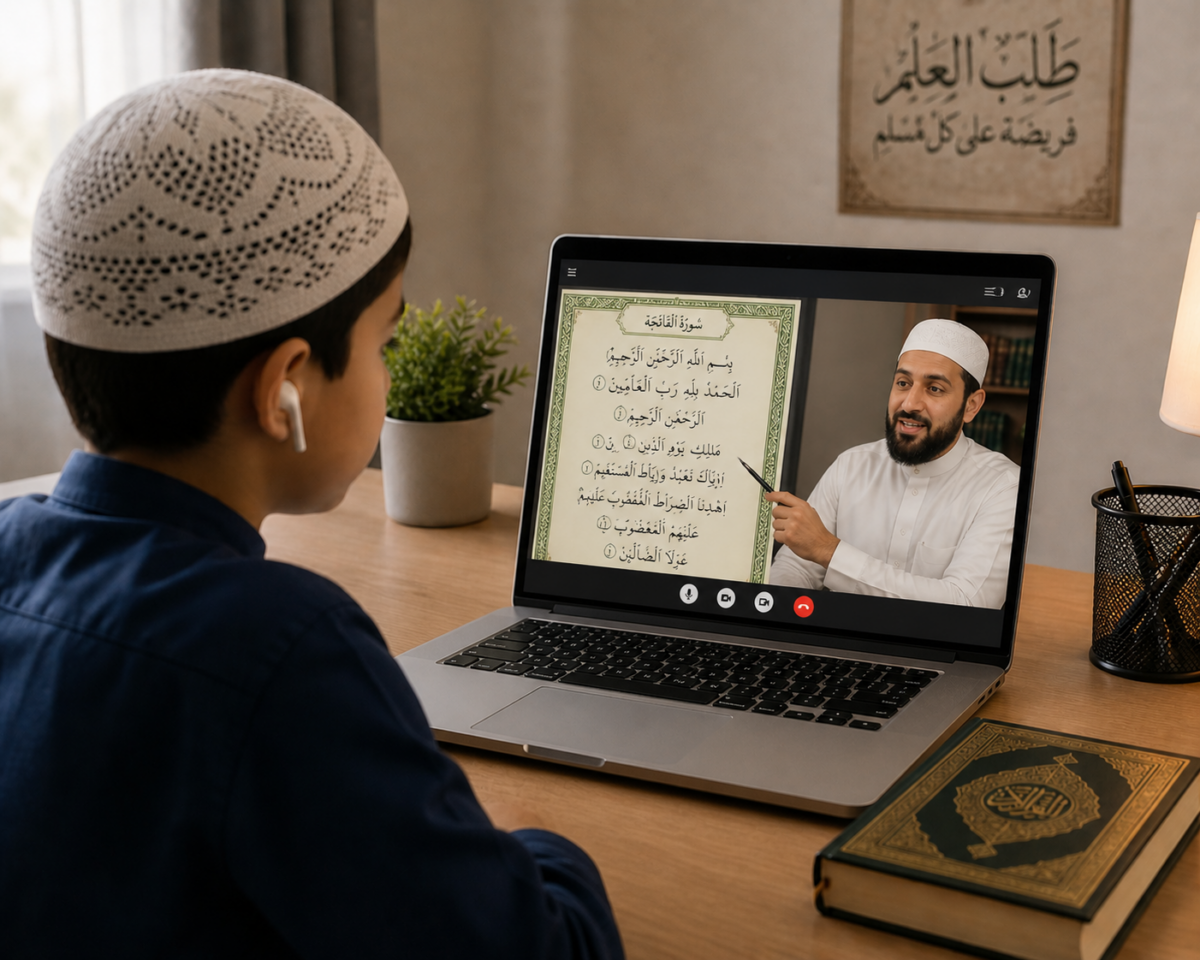
Step 3 — Join Your Live Session At the scheduled time, your certified online Quran teacher will connect with you via video call. They will share their screen to display the Noorani Qaida text and guide you through each lesson with real-time feedback and interaction.

Step 4 — Practice and Progress After each class, you are encouraged to practice what you have learned. Your teacher will track your progress session by session and adjust the pace based on your learning speed.

Step 5 — Move to Quran Reading Once you have completed Noorani Qaida, you are ready to begin the Quran Reading Course — where you will practice reciting from Surah Al-Fatiha all the way to Surah An-Nas with proper Tajweed.

Who Can Enroll in Online Noorani Qaida Classes?

One of the greatest advantages of online Quran lessons is that they are open to everyone:

  • Children (4.5 years and above) — Young learners benefit tremendously from one-on-one sessions where the teacher can use fun, engaging methods tailored to their age.
  • Adults — It is never too late to start. Adult learners often progress quickly because of their discipline and motivation.
  • Reverts to Islam — Those who have recently embraced Islam and want to begin their Quranic education from the basics.
  • Non-Arabic Speakers Noorani Qaida is specifically designed for people who do not know Arabic, making it the perfect starting point.

What to Look for in an Online Quran Academy?

Not all online platforms are created equal. When searching for an Online Quran Academy to learn Noorani Qaida, here are the key features to look for:

  • Qualified and Certified Teachers — Ensure the academy employs online Quran teachers who are trained in Tajweed and have a proven track record of teaching online.
  • Female Teachers Available — For female students and young girls, the availability of female online Quran teachers is important.
  • Free Trial Classes — A genuine academy will offer free trial sessions so you can evaluate the teaching quality before paying.
  • Flexible Timings — Look for 24/7 availability so you can learn at a time that suits your Canadian lifestyle.
  • One-on-One Classes — Personalized attention leads to faster and more effective learning.
  • Multi-Language Support — Teachers who can communicate in English, French, Urdu, or Arabic are a plus for diverse Canadian families.
  • Recorded Sessions — The option to record classes allows students to revisit lessons for better retention.

Beyond Noorani Qaida — Continue Your Quran Journey

Completing Noorani Qaida is just the beginning. Once you have mastered the basics, you can continue your learning journey with a range of courses offered by a comprehensive Online Quran Institute in Canada:

  • Quran Reading Course — Learn to recite the entire Quran with proper Tajweed, from Surah Al-Fatiha to Surah An-Nas.
  • Memorize Quran Online — The Hifz course for dedicated students who want to memorize the Quran with the help of qualified online Quran teachers.
  • Quran Translation Course — Understand the meaning of what you recite by learning word-by-word translation and Tafseer of the Quran.

Why Choose Quran Institute Online Canada?

If you are looking for a trusted, professional platform to learn Quran online in Canada, Quran Institute Online Canada is the right choice. Here is what sets this academy apart:

  • 1 Week Absolutely Free Trial Classes – No payment or credit card needed
  • 1-on-1 Private Sessions – Your teacher’s complete focus is on your progress
  • Audio and Video Supported Sessions – Interactive and engaging lessons
  • Session Recording for Revision – Revisit lessons at any time
  • Special Focus on Tajweed – Proper pronunciation is at the heart of every lesson
  • 24/7 Flexible Timings – Learn at your convenience, no matter where you are in Canada
  • Monthly Progress Assessments – Track your child’s growth and development
  • English Speaking Teachers – Ideal for Canadian families
  • Female Teachers for Female Students – A comfortable and respectful learning environment
  • 10% Off for a Second Student – Great value for families with multiple children

Final Thoughts

Learning Noorani Qaida online is the most accessible, flexible, and effective way to begin your Quranic education in today’s world. Whether you are a parent enrolling your child or an adult starting your own spiritual journey, online Quran lessons make it possible to learn Quran online without any barriers of location or time. Take the first step today. Book your free trial week at Quran Institute Online Canada and experience firsthand how easy and rewarding it is to learn Noorani Qaida with the guidance of expert, caring online Quran teachers. Your journey to reading the Holy Quran begins with a single lesson — and that lesson starts now.